Bad Breath, Burping and Bloating: Could Mouth Breathing Be the Cause?
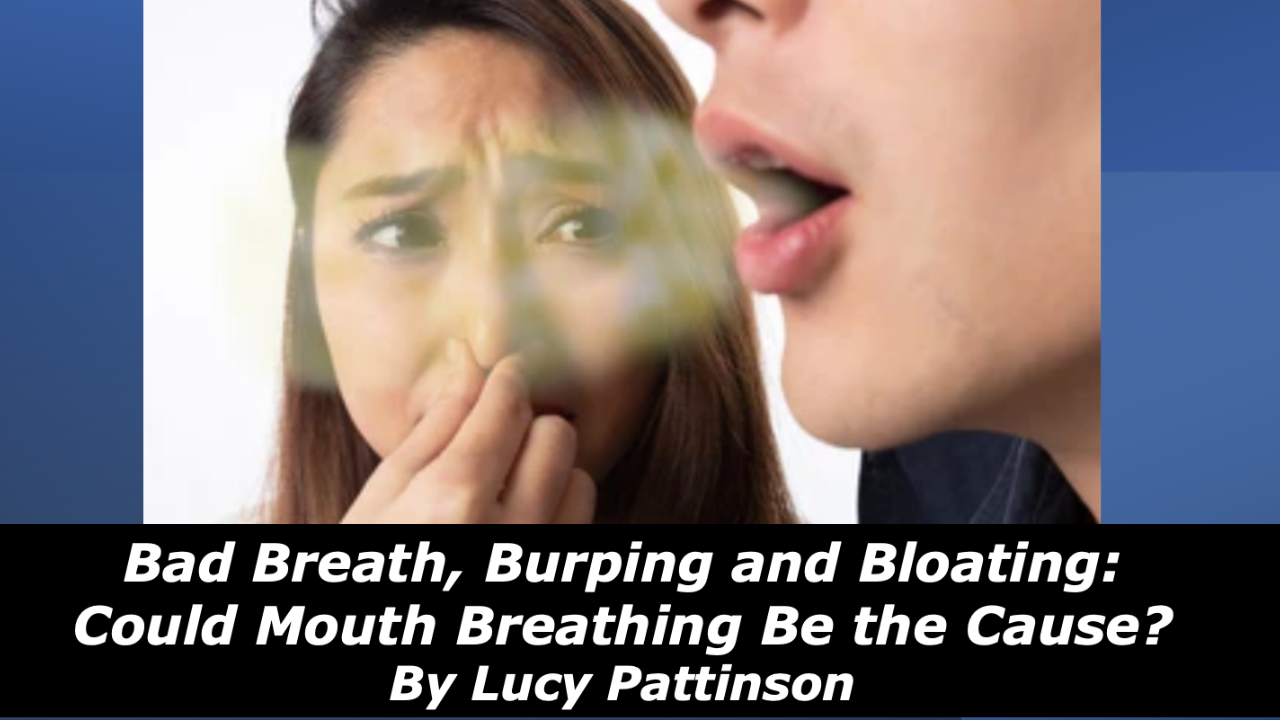
Most people think of bad breath, tooth decay, burping and bloating as separate problems. In reality, they can be closely connected.
One of the biggest missing links is breathing.
The way you breathe, especially at night, can affect your saliva, your teeth, your gums, your digestion and even the amount of air that ends up trapped in your digestive system. Mouth breathing in particular can have a much bigger impact on health than many people realise.
Why mouth breathing matters
During the Covid years, many people became aware of their own breath for the first time because masks made it impossible to ignore. For some, it was an awkward discovery. For others, it was the first sign that something deeper was going on.
When you breathe through your mouth, the mouth dries out. This matters because saliva is one of the body’s most important natural defence systems. It helps clean the mouth, neutralise acids and wash away bacteria. Without enough saliva, bacteria can multiply more easily, leaving behind unpleasant smelling waste compounds that contribute to bad breath.
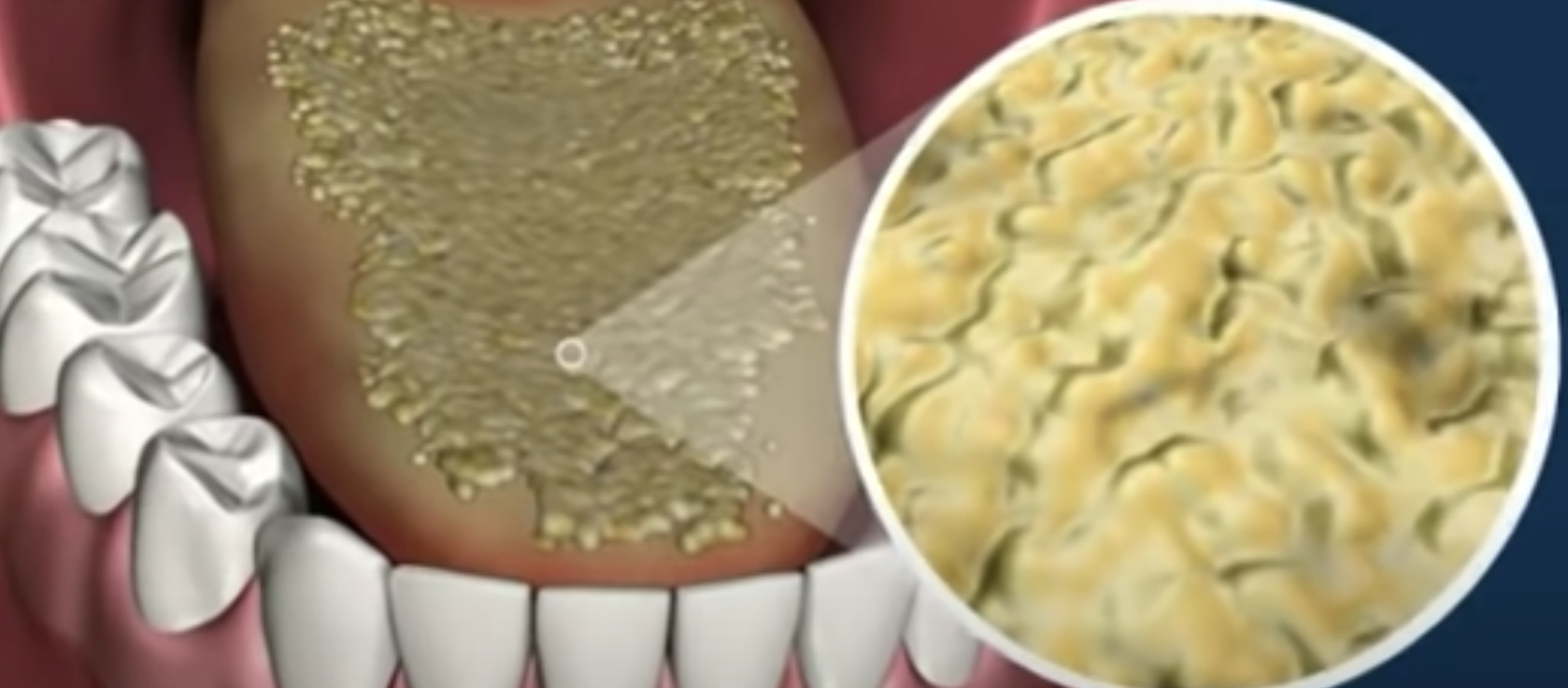 A dry mouth can also leave an unpleasant taste, make the tissues in the mouth more vulnerable, and increase the risk of gum disease and tooth decay.
Bad breath is often a dry mouth problem
Bad breath is not always about poor brushing. In many cases, it is linked to reduced saliva and mouth dryness.
This is especially common overnight. People who sleep with their mouths open often wake up with morning breath, a dry mouth or a sore throat. Nasal breathing normally helps humidify the air you take in. Mouth breathing doesn’t. As a result, the oral cavity becomes dry, and this creates the perfect environment for odour producing bacteria.
Over time, mouth breathing can also affect the tissues and structures around the mouth. It has been associated with changes in the dental arches, the palate and the soft tissues of the mouth. Just as importantly, it can lower the pH inside the mouth during sleep, creating a more acidic environment that may increase sensitivity, erosion and the risk of tooth decay.
Saliva protects more than you think
Saliva does much more than keep the mouth comfortable. It acts as a buffer against acids and helps protect both teeth and gums.
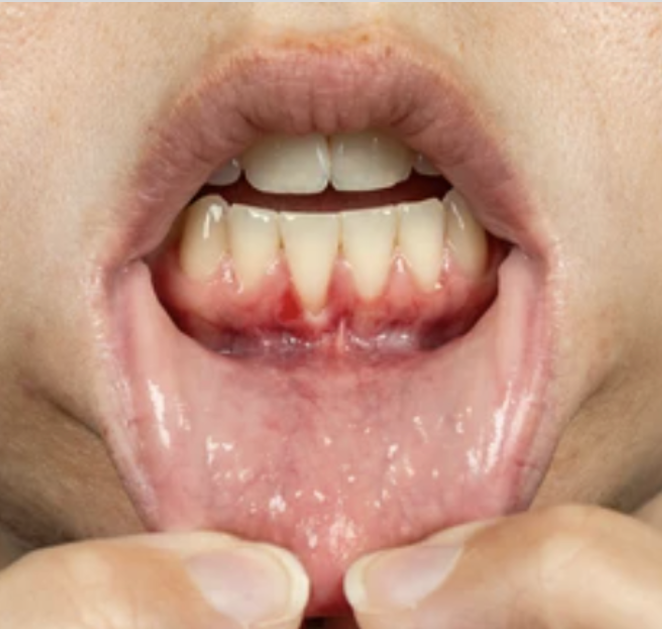 When saliva production is reduced, the mouth loses part of its built-in cleaning system. That means:
- more bacterial build up
- greater risk of unpleasant breath
- more acid exposure
- increased risk of gum inflammation
- higher susceptibility to tooth decay
This is one reason mouth breathing is so important to address. It does not just affect comfort. It can directly affect dental health.
Burping, bloating and swallowed air
Breathing habits can also influence digestion.
Burping, or belching, is a normal protective mechanism. It helps release excess air from the upper digestive tract and prevents the stomach from becoming overinflated. Every time you swallow, you take in a little air. Usually this is not a problem. But if you regularly swallow more air than the body needs, that excess has to go somewhere.
It may come back up as burping or move through the digestive tract and eventually be passed as gas.
People tend to swallow more air when they:
- eat or drink too quickly
- talk while eating
- chew gum
- suck hard sweets
- drink fizzy beverages
- smoke
- wear loose dentures
- feel tense or anxious
Even habits like gulping hot food or drinking a lot with meals can contribute.
How mouth breathing can affect digestion
Excessive mouth breathing can lead to swallowing more air, a condition often referred to as aerophagia. This happens when air regularly passes into the stomach and then into the small intestine, leading to bloating, abdominal discomfort and excessive burping.
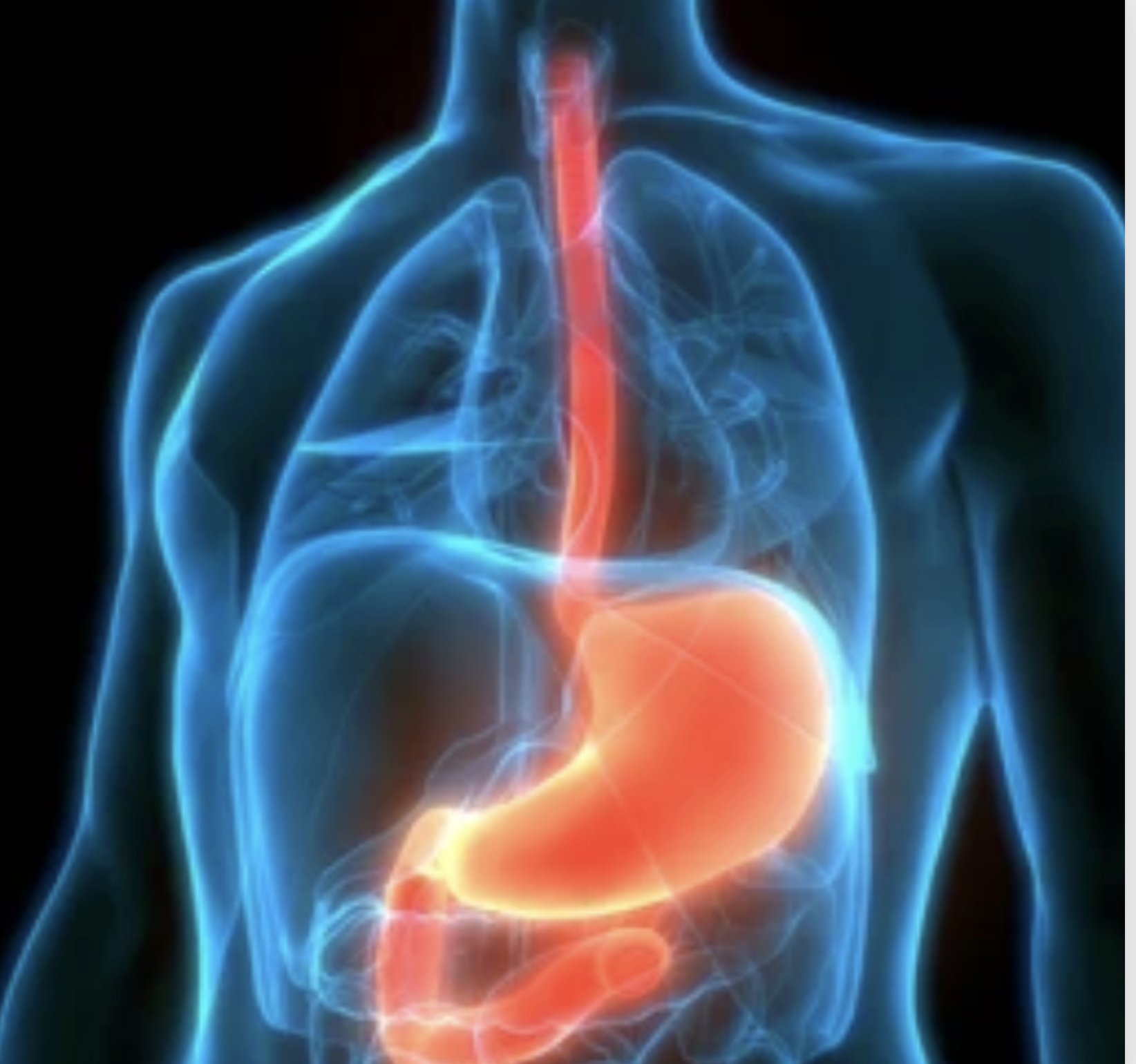 Some research has also suggested that chronic mouth breathing during sleep may contribute to the body becoming more acidic, which could affect digestion and nutrient absorption. Whether someone notices this as bloating, discomfort, frequent belching or disrupted digestion, the pattern is often the same: too much air going in, and the body trying to get rid of it.
This is also why some people who use a CPAP machine for sleep apnoea notice more burping or bloating. The machine helps breathing, but it can sometimes lead to swallowing more air than usual.
Flatulence and the journey of swallowed air
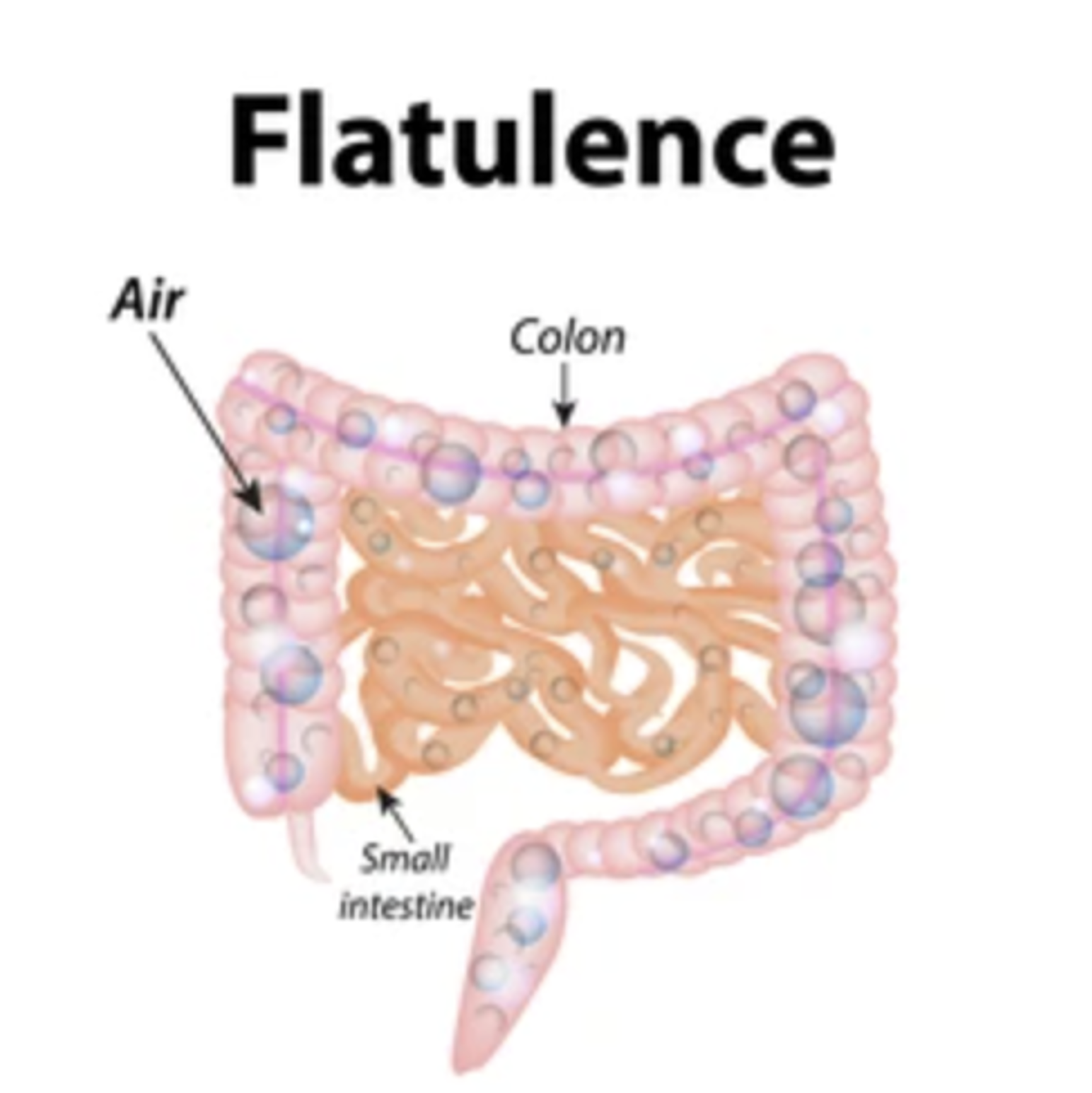
Not all swallowed air comes back up. Some of it continues through the digestive tract and is released as flatulence.
Passing gas is normal, and most of the time it is not strongly odorous. When gas smells unpleasant, it is often due to bacteria in the large intestine releasing sulphur containing compounds. Certain foods, constipation, antibiotics, food intolerances and digestive infections can all play a role.
But swallowed air still matters here too.
Eating quickly, chewing gum, drinking carbonated drinks and smoking can all increase the amount of air moving through the gut. If it is not released as a burp, it may end up being passed later.
In other words, the same habit that contributes to bad breath and burping may also be contributing to bloating and wind.
 A whole-body issue, not just a mouth issue
What makes this topic so important is that it crosses systems. Mouth breathing does not only affect the mouth. It can influence oral health, sleep quality, digestion and everyday comfort.
Someone may present with:
- bad breath
- dry mouth on waking
- increased tooth sensitivity
- more frequent cavities
- burping after meals
- bloating
- excessive gas
These symptoms can seem unrelated, but sometimes they are all pointing back to the same root issue.
 Final thought
Bad breath, tooth decay, burping and flatulence are often treated as isolated annoyances. But when you look more closely, they can be signs of a wider pattern involving saliva, oral dryness and how we breathe.
Supporting nasal breathing, especially during sleep, may have benefits that extend far beyond fresher breath. It may help protect the mouth, support healthier teeth and gums, and reduce the amount of excess air entering the digestive tract.
Sometimes the smallest habits have the biggest ripple effects.
Stay connected with news and updates!
Join our mailing list to receive the latest news and updates from our team.
Don't worry, your information will not be shared.
Author

Lucy Pattinson
Author
Lucy co-founded and is the director of Who Am I Quest. She runs 'The Breath of Life', 'The Who Am I? Series' and forgiveness courses and retreats. She has been a fully certified breath practitioner for over 30 years and a long-time member of the British Rebirth Society and the International Breathwork Foundation.