Who Am I Quest Blog
Why You Wake Up Tired: How Your Breath Eases Snoring, Insomnia & Apnea

Have you ever slept a full eight hours and still woken up feeling like you could go straight back to bed?
If so, you are far from alone. So many of us are doing everything we are told to do, and still waking flat, foggy and tired. We reach for another coffee, promise ourselves an early night, and wonder what we are doing wrong.
I have spent over thirty years working with the breath, and if there is one thing you take from this blog it is that the quality of your sleep is not made in the thirty minutes before bed. It is influenced by how you have been all day from the moment you wake up.
If you are having sleep issues then that shift of looking at how you treat your body, breath, life during the day changes everything. Let me explain why, and then give you some simple things you can start today.
Why you wake up tired even after a full night:
There are two settings in your nervous system. One is the sympathetic, often called fight or flight. You can think of it as the accelerator...
What Is Breathwork - and What Does It Actually Do to Your Body?
You've probably been breathing your whole life without giving it much thought. And that's exactly the point.
Most of us breathe automatically, shallowly, and in ways that keep us stuck - in stress, in old patterns, in a body that never quite settles. Breathwork is the practice of bringing conscious awareness and intention to the breath, and in doing so, unlocking something far more profound than simple relaxation.
But what does it actually do? And is it really as powerful as people say?
Let us explain.
First - What Is Breathwork, Exactly?
Breathwork is the intentional use of the breath to create change - physically, emotionally, mentally, and spiritually. It's not one single technique. It's a broad field that encompasses everything from ancient pranayama traditions rooted in yogic philosophy, to more contemporary approaches like Rebirthing Breathwork and Liberation Breathing. (Wondering how it differs from meditation? This post breaks it down.)
What unites them all is this: whe...
Breathwork and Meditation: What's the Difference and Where Do You Start?
If you've found yourself curious about breathwork or meditation, perhaps a friend mentioned one of them, or you stumbled across something online, you're not alone. These two practices have moved from the fringes into the mainstream, and with that has come a lot of confusion about what they actually are, how they differ, and which one might be right for you.
I've been working with both for many years. What I can tell you is that they are not the same thing - but they are deeply complementary. Understanding the difference can save you a lot of confusion and help you find your way in much more quickly.
What is breathwork?
Breathwork is the conscious use of the breath to create change in the body, the nervous system, and the deeper layers of who we are. It is an active practice. You are not sitting quietly observing the breath; you are working with it deliberately, often in specific patterns, to shift something.
That shift might be emotional, releasing something that has been held in...
Bad Breath, Burping and Bloating: Could Mouth Breathing Be the Cause?
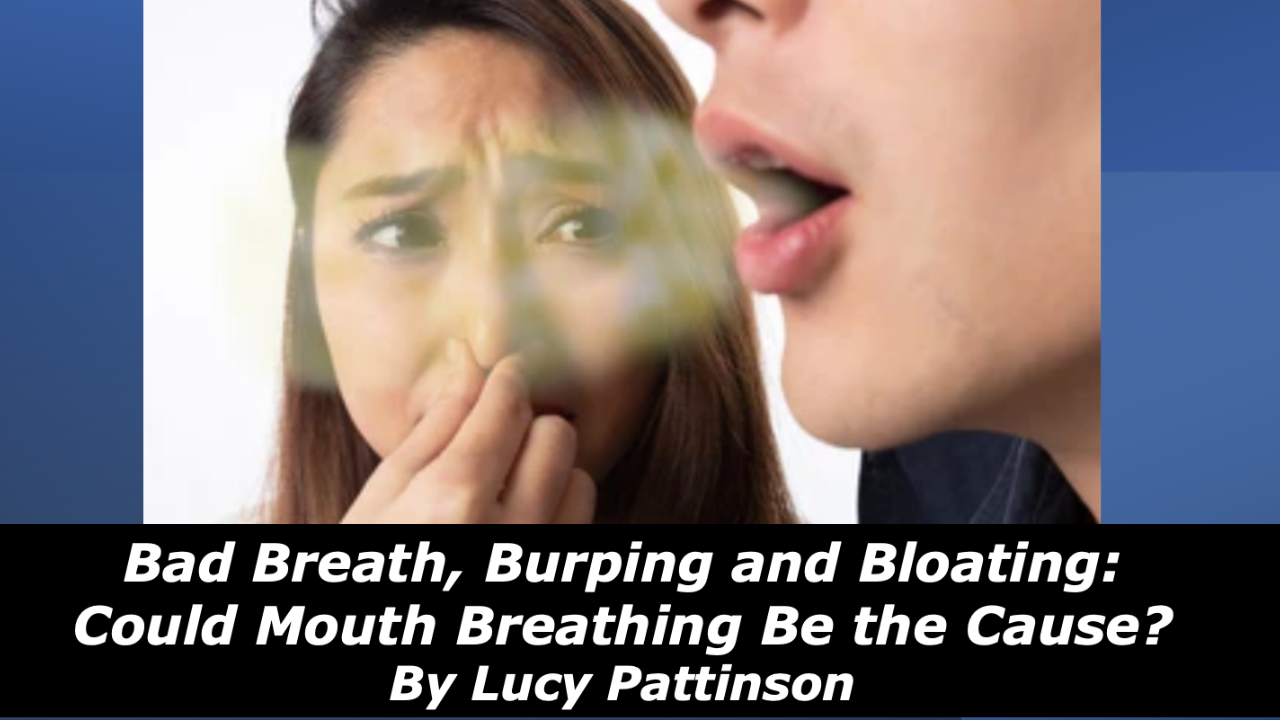
Most people think of bad breath, tooth decay, burping and bloating as separate problems. In reality, they can be closely connected.
One of the biggest missing links is breathing.
The way you breathe, especially at night, can affect your saliva, your teeth, your gums, your digestion and even the amount of air that ends up trapped in your digestive system. Mouth breathing in particular can have a much bigger impact on health than many people realise.
Why mouth breathing matters
During the Covid years, many people became aware of their own breath for the first time because masks made it impossible to ignore. For some, it was an awkward discovery. For others, it was the first sign that something deeper was going on.
When you breathe through your mouth, the mouth dries out. This matters because saliva is one of the body’s most important natural defence systems. It helps clean the mouth, neutralise acids and wash away bacteria. Without enough saliva, bacteria can multiply more easily, l...
Advent and the Wisdom of the Threshold
Before the 7th Century in Western Europe Advent was not a cosy countdown to Christmas. Its observance was closer to Lent with restraint, fasting, penitence and an inner preparation for the celebration of the birth of Jesus. Advent then started on November 11th and like Lent, it was 40 days. It was a deliberate slowing of life in readiness for something sacred to arrive.

This 40-day penitence is still the case in Eastern Orthodox Christianity, where the preparation for Christ’s coming is abstinence, almsgiving and fasting which gradually increases the closer it gets to Christmas day.
I am actually writing this on December 14th, Gaudete, the third Sunday of Advent which was traditionally the one day when the strictness softened and joy was allowed to surface in the middle of restraint. Churches still sometimes mark this by lighting a pink candle, a sign that light is near, even if the waiting is not yet complete.

This was very much about preparation, clearing the space for Chr...
Managing Panic Attacks
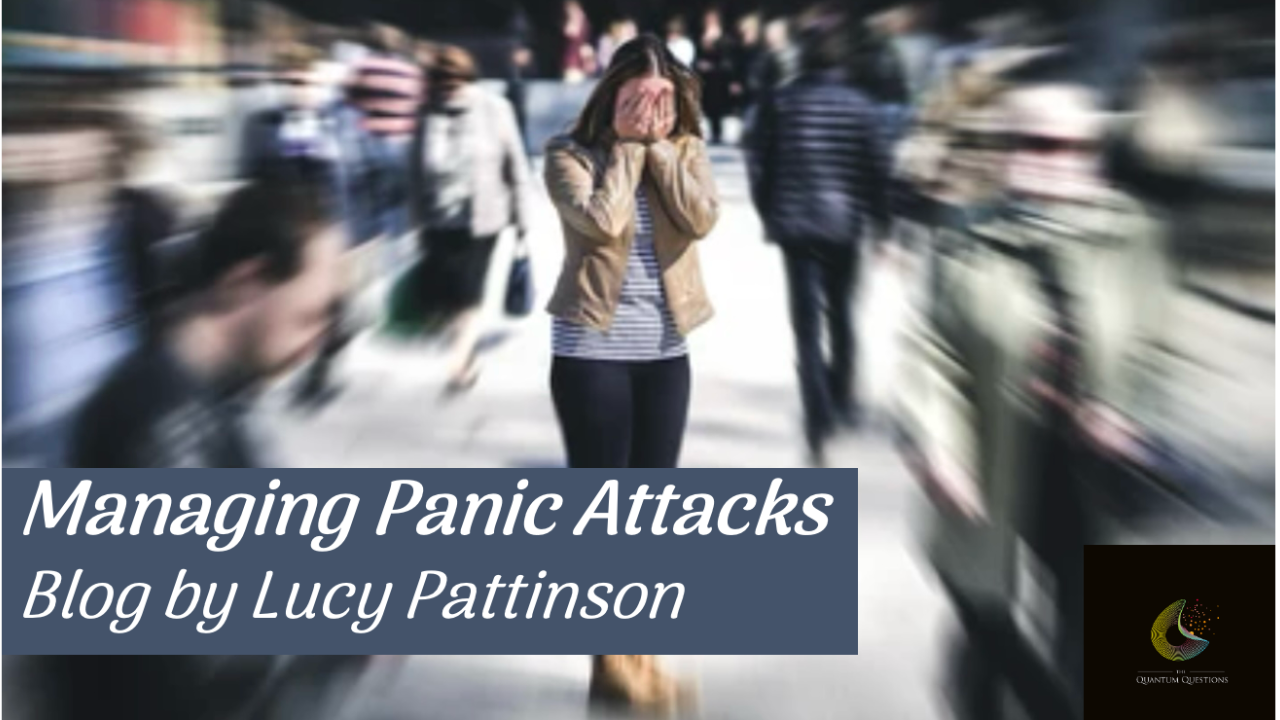
Managing Panic attacks
The word panic means an uncontrollable fear or anxiety that can lead to us acting impulsively or irrationally. So, whether we have experienced panic attacks or not, just the thought of a panic attack begins a process of contraction inside of us, our defences begin. Can you feel that as you begin reading this?
But I want to share with you some tips for dealing with panic attacks, as well as sharing a breath you can use if you are ever in that situation.
What is a panic attack?
A panic attack is a feeling of sudden and intense anxiety.
Panic attacks can also have physical symptoms, including:
- shaking
- feeling disorientated
- nausea
- rapid, irregular heartbeats
- dry mouth
- breathlessness
- sweating
- dizziness
The symptoms of a panic attack are not physically dangerous but can be very frightening.
They can make you feel as though you're having a heart attack, or that you're going to collapse or even die.
Most panic attacks last somewhere from 5 minute...
Author

Lucy Pattinson
Author
Lucy co-founded and is the director of Who Am I Quest. She runs 'The Breath of Life', 'The Who Am I? Series' and forgiveness courses and retreats. She has been a fully certified breath practitioner for over 30 years and a long-time member of the British Rebirth Society and the International Breathwork Foundation.