What Is Breathwork - and What Does It Actually Do to Your Body?
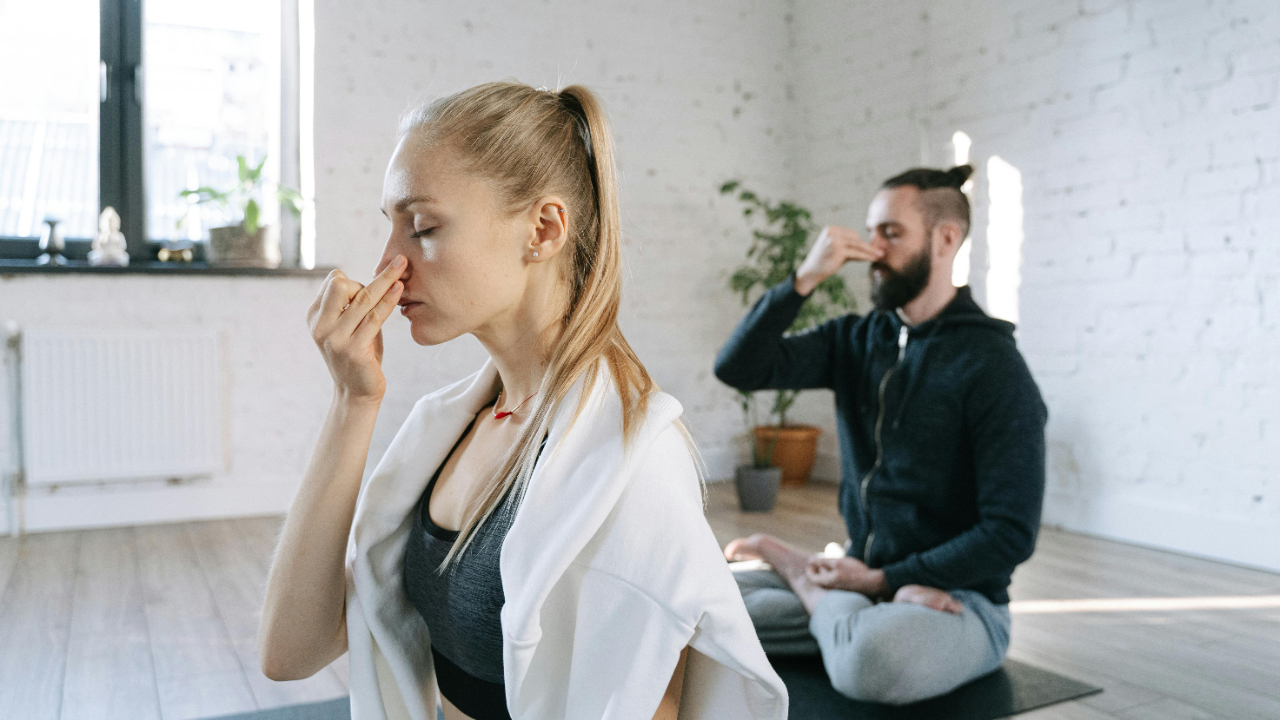
You've probably been breathing your whole life without giving it much thought. And that's exactly the point.
Most of us breathe automatically, shallowly, and in ways that keep us stuck - in stress, in old patterns, in a body that never quite settles. Breathwork is the practice of bringing conscious awareness and intention to the breath, and in doing so, unlocking something far more profound than simple relaxation.
But what does it actually do? And is it really as powerful as people say?
Let us explain.
First - What Is Breathwork, Exactly?
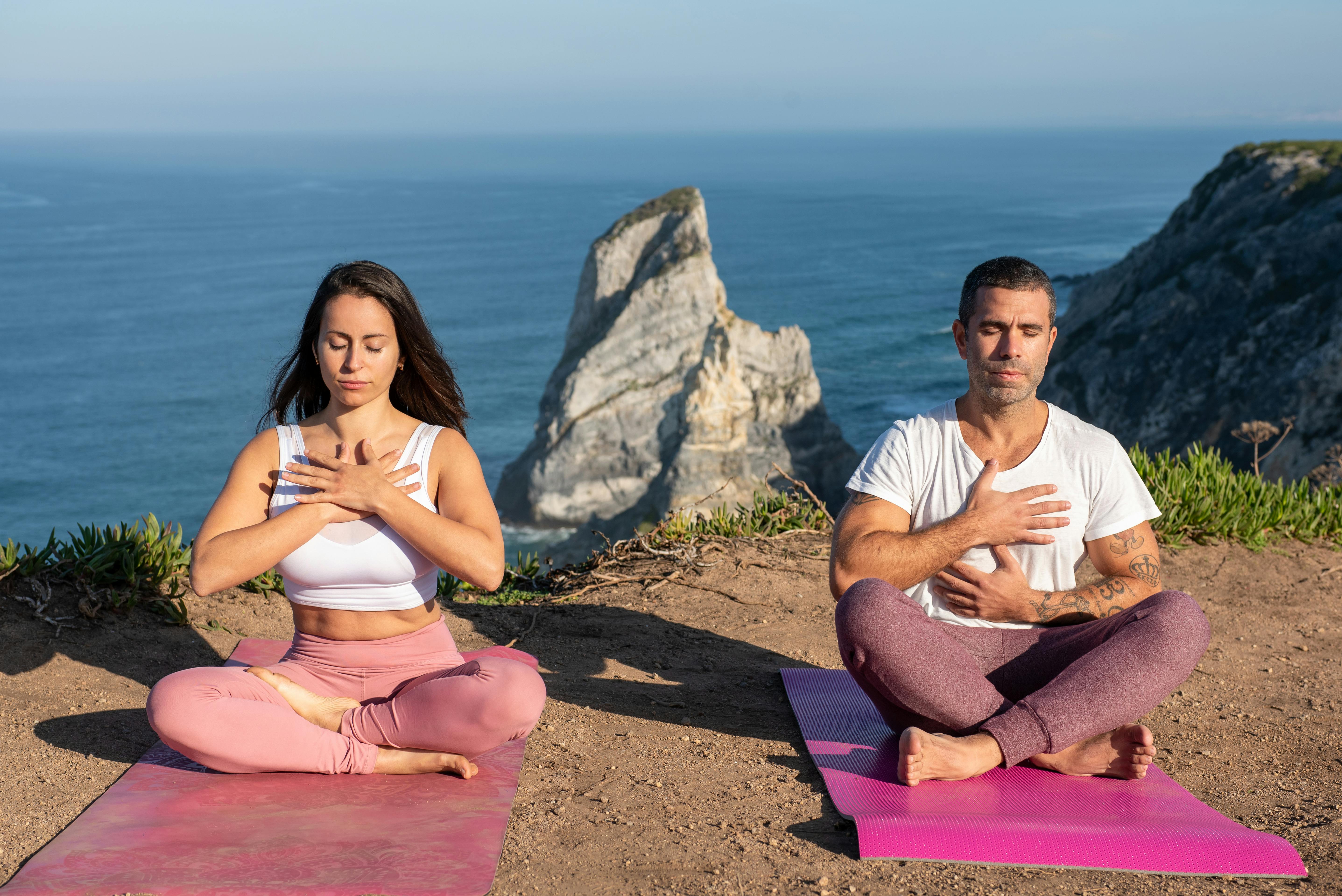
Breathwork is the intentional use of the breath to create change - physically, emotionally, mentally, and spiritually. It's not one single technique. It's a broad field that encompasses everything from ancient pranayama traditions rooted in yogic philosophy, to more contemporary approaches like Rebirthing Breathwork and Liberation Breathing. (Wondering how it differs from meditation? This post breaks it down.)
What unites them all is this: when you consciously change the way you breathe, you change the state of your entire system.
That might sound bold. But it has been known and practised for thousands of years, and modern science is now beginning to understand why.
What Breathwork Does to Your Body
It shifts your nervous system, immediately
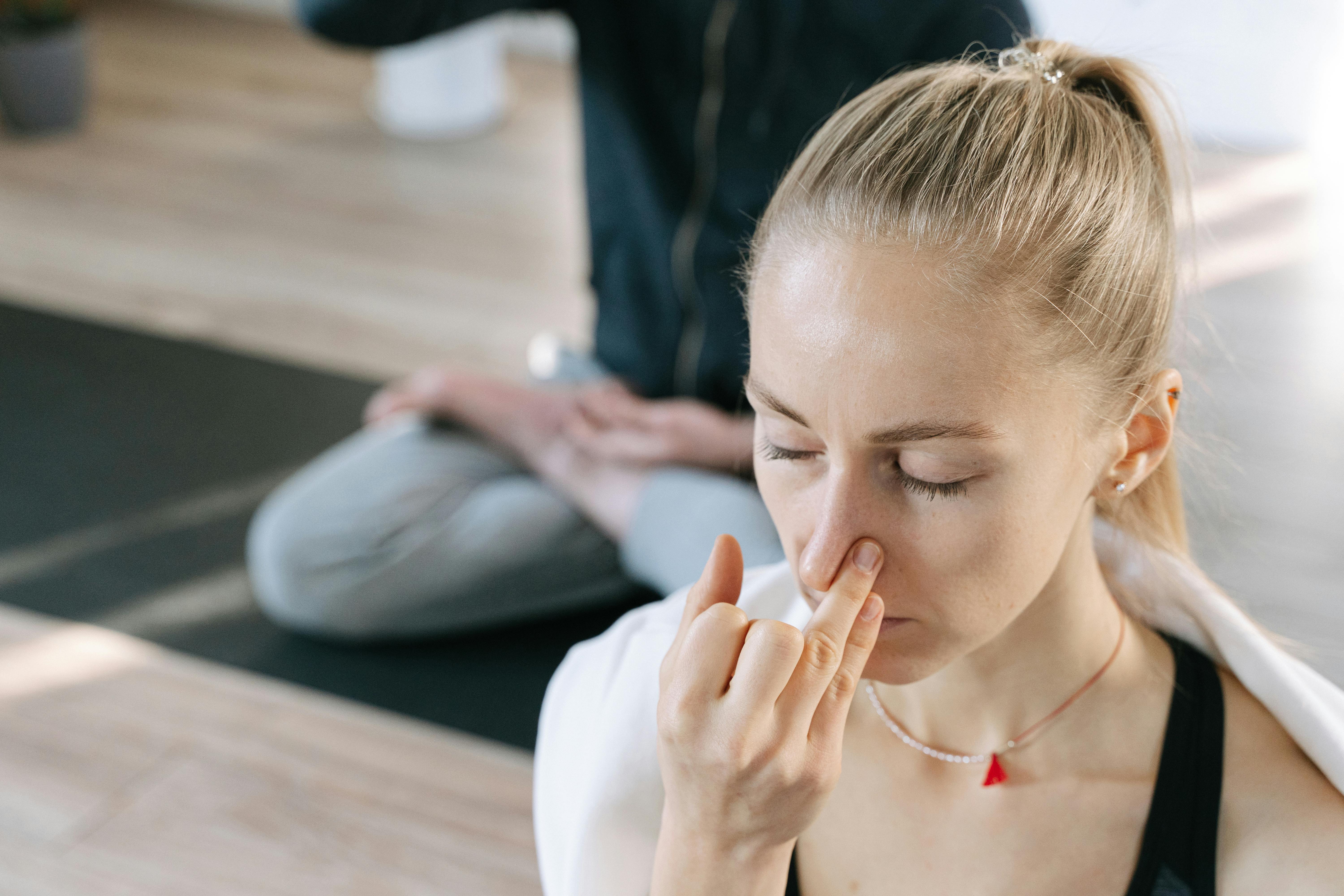
Your breath is the only involuntary bodily function you can consciously control. That makes it a uniquely direct gateway to your autonomic nervous system - the system that governs your stress response, your rest and digestion, your heart rate, and your overall sense of safety.
When you breathe fast and shallow, which many of us do habitually, your body reads that as a signal of threat. Cortisol rises. Muscles tighten. The mind becomes busy and contracted.
When you breathe slowly, deeply, and with awareness, the opposite happens. Your parasympathetic nervous system activates. Heart rate steadies. Tension releases. The body moves out of survival mode and into a state where real restoration becomes possible.
This isn't metaphor, it's physiology.
It changes your blood chemistry
The ratio of oxygen to carbon dioxide in your blood directly affects how calm or activated you feel. Slow, conscious breathing optimises this balance, improving oxygen delivery to your cells, supporting brain function, and reducing the physical markers of anxiety.
Certain breathwork techniques deliberately work with this, using extended breath holds or rhythmic breathing patterns to train your body's tolerance and resilience, and to access altered states of consciousness that can be profoundly healing.
It releases held tension from the body
The body stores what the mind cannot process. Grief, fear, unexpressed emotion - these don't simply disappear. They settle into the tissues, the chest, the jaw, the belly. Breathwork, particularly connected breathing practices, can gently move this held energy. People are often surprised to find themselves crying, laughing, or experiencing waves of physical sensation they didn't expect - not because something has gone wrong, but because something is finally moving.
This is one of the most remarkable things about conscious breathing: it can reach places that talking simply cannot.
What Breathwork Does Beyond the Body

The physical effects are real and significant. But breathwork has always been understood as something more than a wellness tool.
In the ancient yoga traditions, prana - the life force carried by the breath - was considered the bridge between the physical body and consciousness itself. To work with the breath was to work with the very energy of life.
From 30 years of practice and teaching, what Lucy sees again and again is this: breathwork doesn't just make people feel better in the moment. It begins to shift the patterns - emotional, psychological, habitual - that have shaped how a person moves through the world. It creates space. It brings clarity. And for many people, it opens a doorway into a much deeper understanding of who they actually are beneath the surface of their daily life.
Is Breathwork Right for You?
If you've ever felt like your mind is always one step ahead of your body - or like no matter how much you think about something, it won't shift - breathwork may be exactly what you're looking for.
It works well alongside meditation, therapy, and other practices. It's accessible at any age and any level of experience. And it doesn't require you to believe anything in advance. You simply breathe, and notice what happens.
Where to Begin
If you're curious to explore breathwork in a structured, guided way, The Breath of Life is a 10-month online course that takes you through the full terrain - from the physiology of the breath, to pranayama, to the energetics that lie beneath. It's built for all levels, from complete beginners to those already working with the breath who want to go deeper.
The next intake begins October 8th 2026.
Find out more about The Breath of Life here.
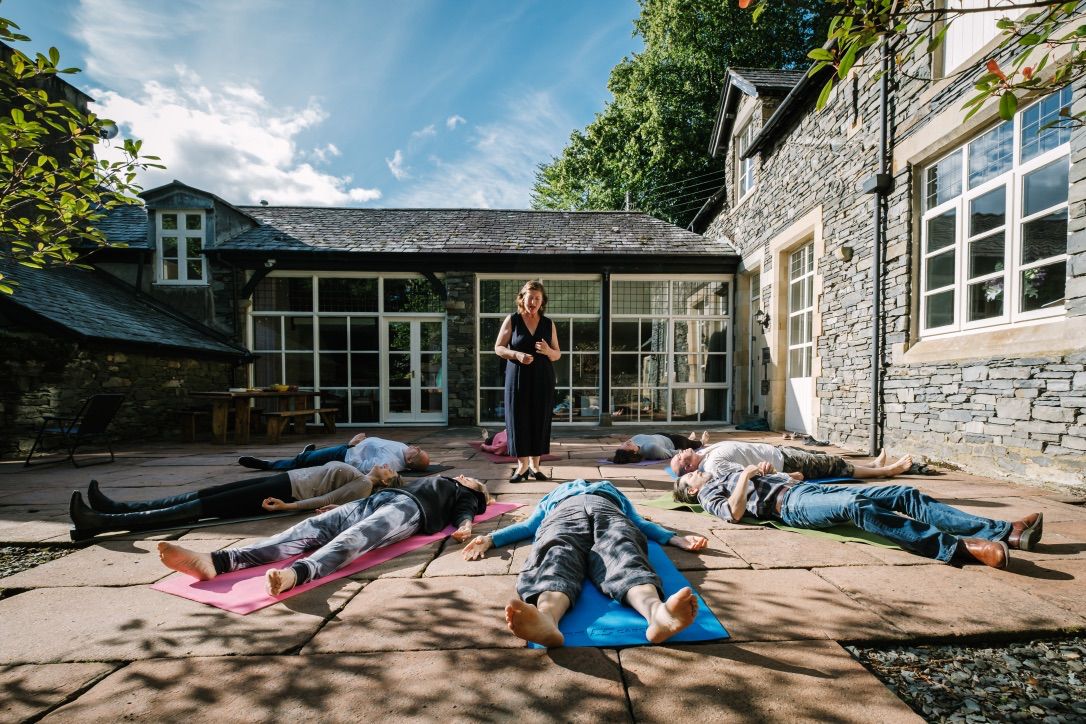
Or if you'd like to get a feel for Lucy's approach first, join our mailing list below and we will send you a free 20-minute guided relaxation, a good place to simply arrive.
Stay connected with news and updates!
Join our mailing list to receive the latest news and updates from our team.
Don't worry, your information will not be shared.
Author

Lucy Pattinson
Author
Lucy co-founded and is the director of Who Am I Quest. She runs 'The Breath of Life', 'The Who Am I? Series' and forgiveness courses and retreats. She has been a fully certified breath practitioner for over 30 years and a long-time member of the British Rebirth Society and the International Breathwork Foundation.